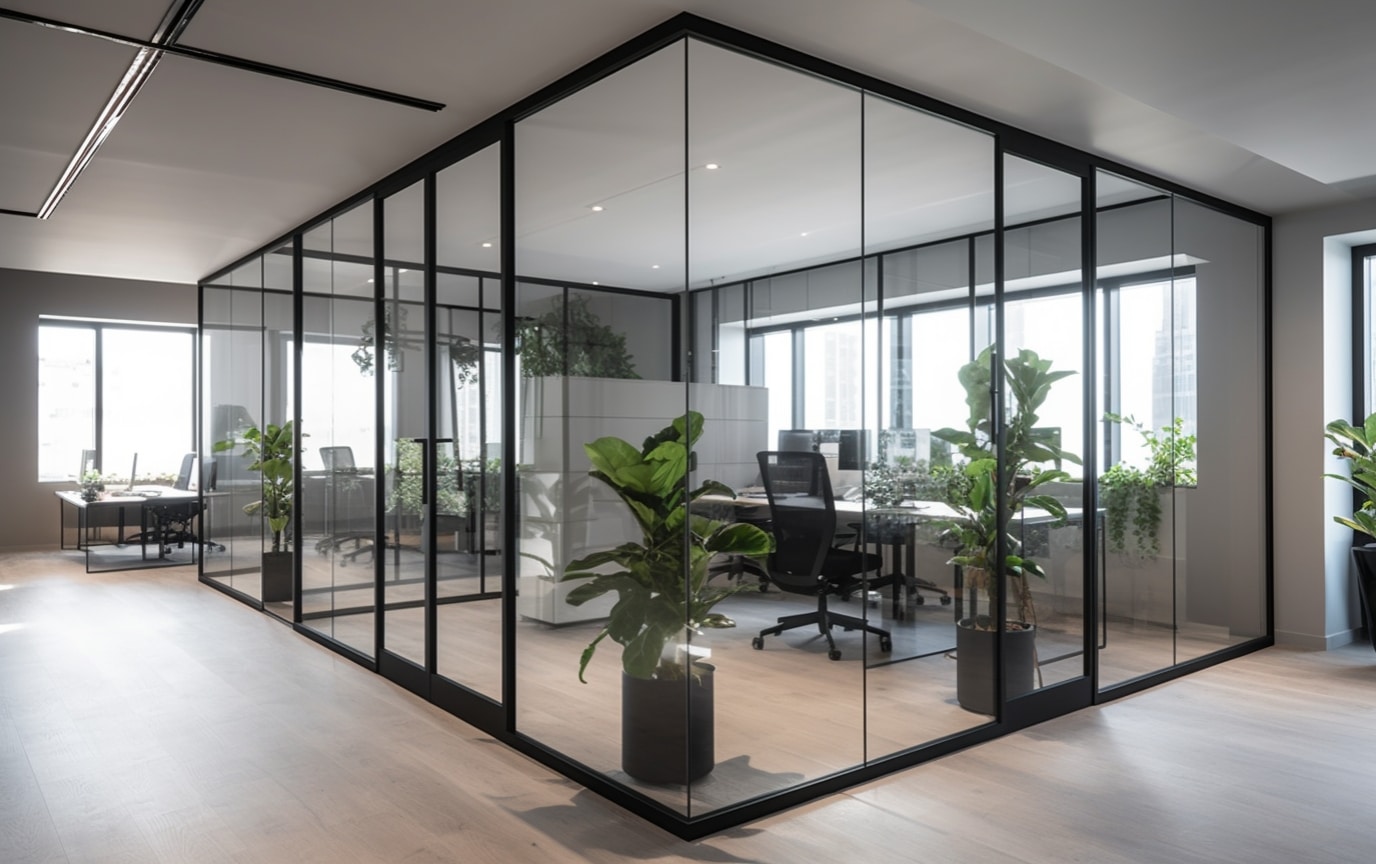
An office that’s too hot may seem like a temporary inconvenience. Just open a window, turn on a fan, and carry on. But when heat becomes a recurring problem, it has a greater impact than many organizations realize. Employees tire more quickly, have trouble concentrating, and meeting rooms can quickly feel stuffy.
Temperatures can rise quickly, especially in offices with lots of glass, limited sun protection, or outdated systems. And this affects not only comfort, but also performance, job satisfaction, and energy consumption.
In this article, you’ll learn why an overly warm office has such a significant impact on productivity, where the heat usually comes from, and what solutions can help make your work environment more comfortable and future-proof.
Why Temperature Affects Work Performance
When it’s too hot, your body has to work harder to cool down. This consumes energy without you even noticing. As a result, you have less mental bandwidth left for focus, creativity, and precision work. Tasks that require people to analyze, plan, consult, or make decisions become particularly more difficult.
Heat also affects how people feel. A room that feels stuffy or hot is more likely to cause irritation and fatigue. That may seem like a small thing, but on a workday filled with meetings, deadlines, and computer work, it really adds up.
A healthy indoor environment is therefore not a luxury. It is essential for an office where people can work comfortably and perform well.
How does heat affect productivity?
A warm office can cause:
- Difficulty concentrating
- Increased fatigue
- Headache and shortness of breath
- More frustration in the workplace
- Lower productivity
- Less comfort for visitors and customers
- Less comfortable meetings
- Higher energy consumption due to stopgap measures such as portable air conditioners
Optimal temperature for performance.
21–22 °C
Performance begins to decline at this temperature.
23–24 °C
Loss of productivity due to excessive temperatures.
-5% to -15%
CAUSES
Where does the heat in the office come from?
An office that’s too warm is rarely caused by a single, clear factor. It’s usually a combination of factors that together lead to rising temperatures and reduced comfort in the workplace. Precisely because multiple factors are at play, it’s wise to look at the big picture.
Large glass surfaces & solar radiation
A lot of glass creates a bright, open feel, but it also lets in a lot of heat, especially on sunny facades.
Internal heat load
Monitors, computers, printers, lighting, and employees themselves generate heat that builds up throughout the day.
Insufficient ventilation
When warm air isn't properly vented and fresh air can't circulate freely, an office can quickly feel stuffy.
Layout & Use
Workstations that are close together, enclosed meeting rooms, and limited airflow make it harder to keep spaces comfortably cool.
SOLUTIONS
What can you do about an office that's too hot?
A desk fan or a portable air conditioner in the corner may seem like a quick fix, but often it only addresses the symptom. An office that’s too hot usually requires a combination of measures. These include sunshades, ventilation, climate control, smart layout, and materials that contribute to a more comfortable indoor environment.
So don’t just look at the temperature—consider the big picture: where does the heat come from, how is the space used, and which solution is right for the building?
Sun protection & daylight control
Keep the heat out before it comes in through the glass.
Climate control
Ensure a stable temperature in each room or zone.
Ventilation
Prevent stuffiness and improve air quality.
Smart office layout
Arrange workspaces, meeting areas, and phone booths more intelligently.
SIGNS
When is your office really too hot?
An office doesn’t have to be sweltering to cause complaints. It often starts subtly: employees get tired more quickly, meeting rooms feel stuffy, or the temperature varies significantly from room to room.
- Employees who talk about warmth
- Rooms on the sunny side are naturally warmer
- Meeting rooms can quickly feel stuffy
- Windows often need to be opened
- Portable air conditioners or fans are needed
- Concentration drops more quickly after lunch
- The temperature varies significantly from room to room or floor to floor
Do you recognize several of these signs?
Then it’s time to take your indoor climate seriously. We’d be happy to assess where the heat is coming from and determine which solution is right for your building.
Frequently Asked Questions About an Overheated Office
An office that’s too hot often raises practical questions. After all, when does heat actually become a problem, which solutions work, and where do you start? Below, we answer the most frequently asked questions.
What is a comfortable temperature in the office?
A comfortable office temperature is usually around 21 to 22 °C. If the temperature consistently exceeds 23 or 24 °C, comfort, concentration, and productivity can decline noticeably. The exact comfort level also depends on air quality, sunlight, ventilation, clothing, and the type of work being performed.
Why is my office getting so hot?
A hot office is often the result of a combination of factors. These include large amounts of glass, direct sunlight, inadequate ventilation, outdated HVAC systems, heat generated by equipment, and a layout that hinders air circulation. That is why it is important to consider not just the temperature, but the overall indoor climate.
Does window covering help keep the office from getting too hot?
Yes, effective sun protection can make a big difference. Outdoor sunshades, screens, and heat-reflective film, in particular, help limit solar heat before it warms up the office. This not only improves the temperature but also reduces annoying glare on computer screens.
Is air conditioning always the best solution for a hot office?
Not always. Air conditioning can be a good solution, but sometimes the root cause lies elsewhere. For example, it could be due to poor ventilation, excessive sunlight on windows, inadequate insulation, or an awkward floor plan. A thorough analysis ensures that you don’t just treat the symptom and end up facing the same problem again later.
What can E=MC² do if the office is too hot?
E=MC² takes a holistic view of your office. We identify the sources of heat and determine which solution best suits your building, its use, and your work environment. This includes sun protection, ventilation, climate control, smart office layout, ceilings, lighting, and finishes.
When should I have my indoor air quality checked?
Have your indoor climate checked if employees frequently complain about the heat, meeting rooms quickly become stuffy, temperatures vary significantly from room to room, or if portable fans and mobile air conditioners have become the norm. These are signs that the office isn’t adapting well to daily use.
In this blog
Looking for personalized advice for your property?
We assess where the heat comes from and determine which solution is best suited for your building, from sun protection and ventilation to climate control and smart layout design.